About Henry
I was diagnosed with ADHD in 2023, at sixty-one. Now I coach people going through the same thing. Mostly in their sixties and beyond, some in their fifties, and nearly all after a very long time wondering.
The short version
I spent thirty years finding other people jobs, and for most of it I couldn’t work out why the parts other people found easy were the parts that nearly finished me.
The longer version
I trained in Dublin as a Chartered Company Secretary, which is the person who keeps a company legal and organised.
Then I went to London, to the City, and arrived in the year they deregulated the markets overnight and everything sped up. Short contracts. Fast rooms. Investment banks whose names you’d know. I was good in it.
Then thirty years of recruitment and headhunting, including running my own firm.
From outside that reads as a career. From inside it was something else. What looks like thriving is often just sophisticated surviving. And eventually, survival isn’t enough.
The bounty system I couldn’t hold in my head. The blue-sky ideas that ignited and drifted. Almost always, these ideas, plans and hopes were like flaming Viking funeral boats heading off into the horizon, over and over. Me on the shore, watching them go.
Harley Street, 2013: the folder, and the no
I spent months preparing a folder.
It was an exact paper representation of the way my mind worked. Everything I’d noticed about myself, ordered and evidenced, because I thought that was what you were supposed to bring.
The psychiatrist looked at it and told me no.
I want to be fair about this, because I’ve had a long time to think about it. Adult ADHD was understood well enough by 2013 that it should have been on the table. It just wasn’t on the table in that room, on that day, looking at me. There’s also a particular cruelty in the folder itself: months of hyperfocus, the state where an interesting problem takes you completely and hours vanish, mistaken for evidence that I was organised.
I walked out onto the street believing him. Why wouldn’t I. He was a leading authority and I’d paid to be told.
The ten years I didn’t look again for a diagnosis
I didn’t go near it again for a decade.
I couldn’t, really. An expert had told me this wasn’t the answer, so whatever was wrong had to be something else, and the only candidate left was me.
So I searched everywhere else. Systems, frameworks, methods, a shelf of books that all worked for about a fortnight. Each one was a mismatch rather than a moral failing, though it didn’t feel that way at the time.
Ten years of the same loops, and one question underneath.
What is fundamentally wrong with me?
2023: the diagnosis, and what came with it
I was diagnosed by a psychiatrist, over Zoom, at sixty-one.
Relief and grief turned up the same afternoon, which nobody warns you about. Relief because there was finally a name. Grief because of what it meant about the decade lost to the wrong answer, and the decades before it spent believing the problem was my character.
The problem was never me. It was the mismatch between the brain I’ve got and the structures built for a different kind of mind.
You’re not broken. You’re obscured.
What I’ve done since
I rebuilt the way I work around scaffolding instead of willpower, and I’m not precious about showing it. There’s a recorder, there are systems that catch things before they’re lost, and there are tick sheets I’m genuinely pleased with.
Do as I do, not as I say.
I’ve written a book about it. It’s with an editor.
And I decided, deliberately, that I’m working and building until I’m eighty-four. That isn’t a slogan. It’s the thing that made the rest of it worth doing.
The coaching
I’m training as a coach with the Inclusive Futures Academy. I haven’t finished that training, and I don’t claim a coaching credential I haven’t earned.
What I do have is thirty years inside high-pressure systems built for a different kind of brain, a late diagnosis, and the ten years before it when I’d been told I was wrong about myself.
I’m also already delivering Access to Work coaching, and have been for a while, alongside volunteer clients. So this isn’t a plan. It’s running.
I’m better in a room with one person than I am at almost anything else. That’s the thing I have always been able to do, whatever else was falling over.
I’m a coach. I’m not a therapist or a clinician, and I don’t diagnose. If what you’re carrying needs somebody with different training, I’ll say so and try to point you somewhere better placed.
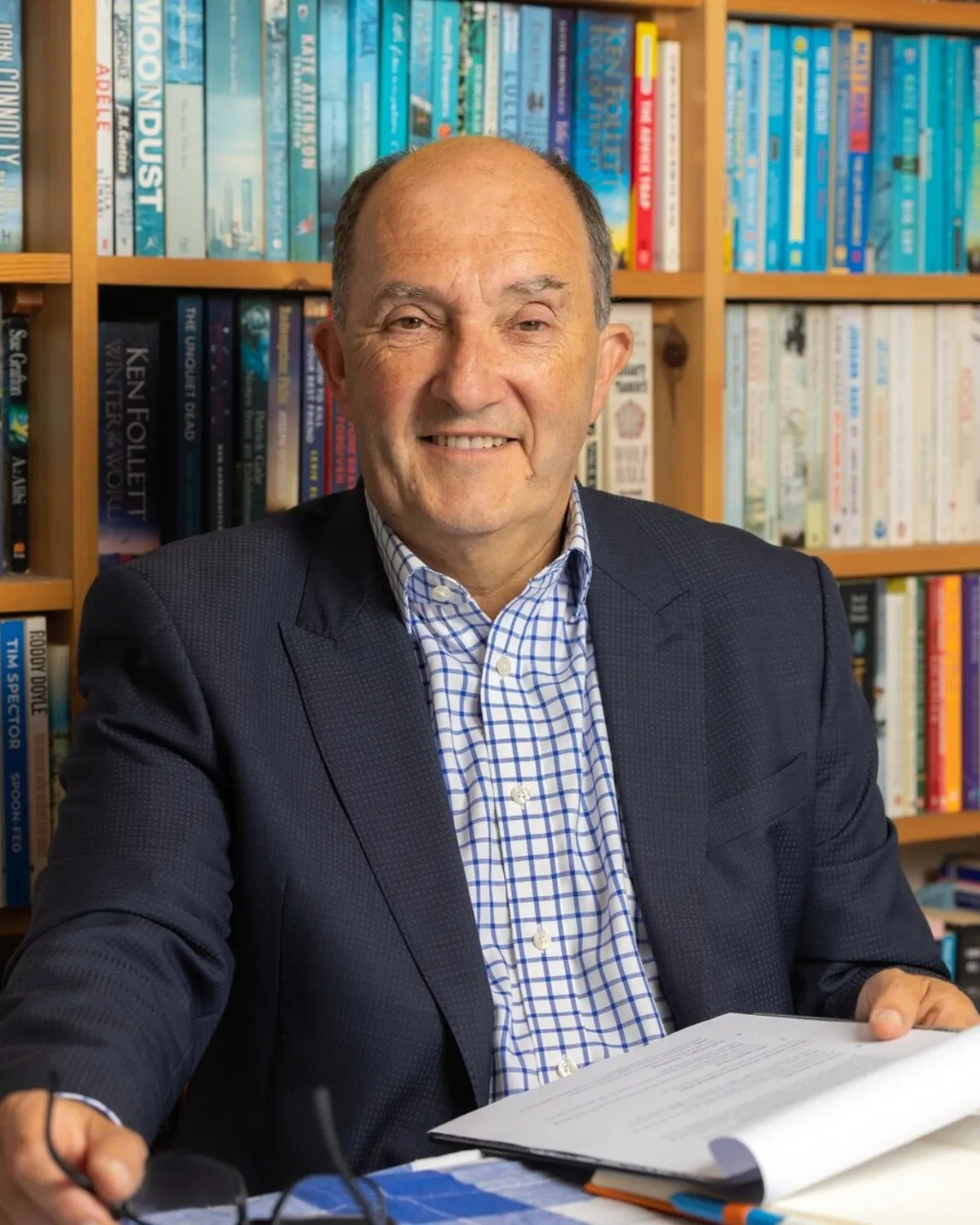
Where I am, and who I’m with
I’m in York. I work remotely, so where you are doesn’t much matter.
I live here with my wife Sally, who designs gardens, and I work alongside her a couple of days a week. That’s the part of my week that needs no scaffolding at all.
I am not behind.
I am becoming.